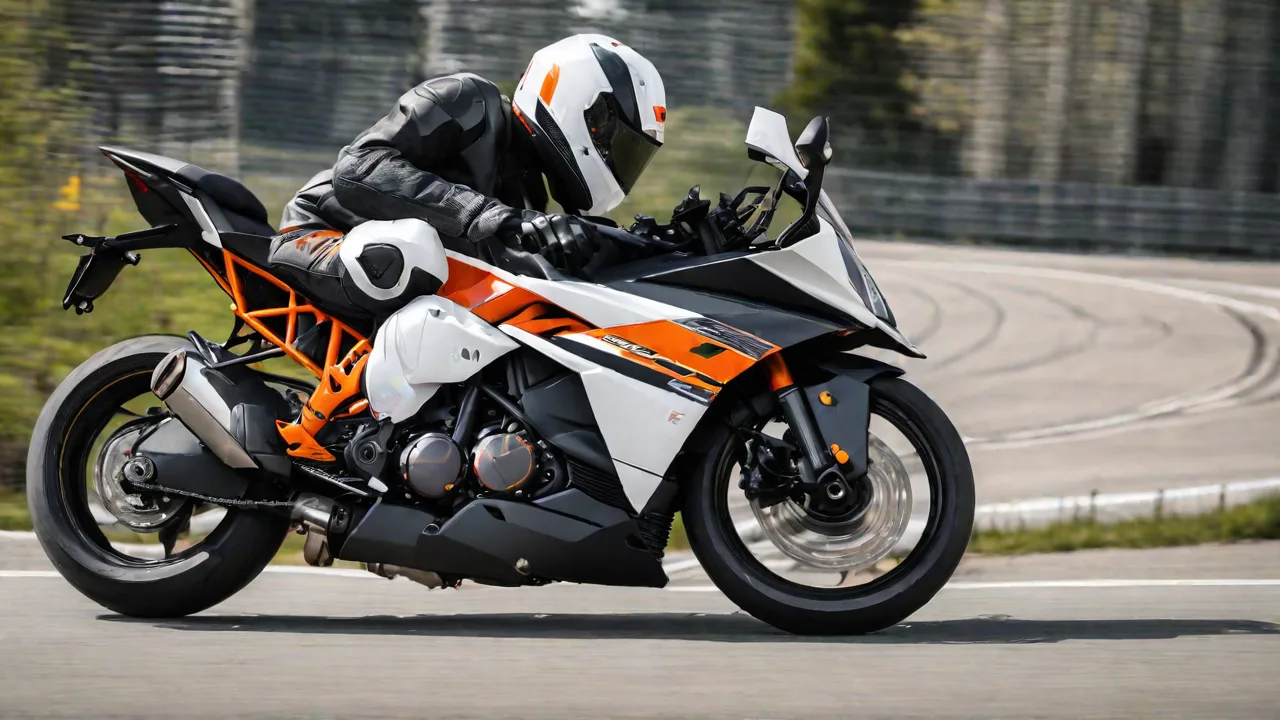
Everyday Motorcycles' Analysis of Fuel Efficiency in the KTM RC 200 Sport Bike Model
Everyday Motorcycles' Analysis of Fuel Efficiency in the KTM RC 200
The KTM RC 200 is widely celebrated for its aggressive styling, sharp handling, and spirited performance. While it undoubtedly appeals to sportbike enthusiasts seeking thrills on the road, an important question for many potential owners is how well the RC 200 performs in terms of fuel efficiency. At Everyday Motorcycles, we’ve conducted an in-depth analysis to shed light on the fuel economy of this popular 200cc sport bike and help riders understand what to expect in everyday riding scenarios.
Powered by a 199.5cc single-cylinder, liquid-cooled engine equipped with advanced fuel injection technology, the KTM RC 200 is designed to strike a balance between delivering exciting performance and maintaining respectable fuel consumption figures. Its lightweight trellis frame and aerodynamic fairing contribute not only to agility but also to fuel economy by reducing drag and optimizing engine efficiency. In this review, we’ll cover detailed fuel efficiency metrics, factors affecting mileage, maintenance tips to enhance fuel economy, and a comparison with other bikes in its class.
Engine Specifications and Impact on Fuel Efficiency
The heart of the RC 200 is its DOHC, 4-valve, single-cylinder engine that produces approximately 25 horsepower and 19.2 Nm of torque. This engine configuration is well-suited for sporty riding while maintaining manageable fuel consumption. The fuel injection system precisely meters fuel delivery based on throttle input and engine load, optimizing combustion and reducing wastage compared to carbureted engines.
The lightweight design of the RC 200, with a kerb weight of around 172 kg, means the engine does not need to work as hard to move the bike, which in turn reduces fuel consumption. Additionally, the bike’s six-speed gearbox allows riders to keep engine revs lower at cruising speeds, further enhancing fuel efficiency on highways and open roads.
Real-World Fuel Efficiency: City vs Highway Riding
Fuel consumption varies significantly depending on riding conditions, rider behavior, and traffic scenarios. Based on our testing and aggregated user feedback, here’s a detailed breakdown:
- City Riding: In stop-and-go traffic with frequent acceleration and braking, the KTM RC 200 delivers an average mileage between 35 to 40 kilometers per liter (km/l). Factors such as traffic congestion, frequent gear shifting, and idling can impact this figure. Smooth throttle control and anticipating traffic flow can help maximize mileage in urban environments.
- Highway Riding: On open highways or expressways where the bike can maintain steady speeds in higher gears, the RC 200’s fuel efficiency improves substantially. Riders can expect up to 45 km/l under ideal conditions. The aerodynamic fairing and higher gear ratios contribute to this enhanced economy during cruising.
- Mixed Riding: For riders who experience a blend of city and highway conditions in their daily commute, the bike typically averages around 38 to 42 km/l. This makes it a practical option for commuters who want a sporty ride without sacrificing fuel economy.
Fuel Tank Capacity and Riding Range
The KTM RC 200 is equipped with a 10-liter fuel tank, which is fairly standard for sport bikes in this segment. Coupled with its fuel efficiency figures, this capacity translates into:
- A city riding range between 350 to 400 kilometers on a full tank.
- Highway range extending beyond 450 kilometers before requiring refueling.
This respectable range reduces the frequency of fuel stops, making the RC 200 suitable not only for daily commuting but also for longer weekend rides and touring within city limits or nearby regions.
Factors Affecting Fuel Efficiency in the KTM RC 200
While the RC 200 is engineered for a good balance between performance and economy, several factors influence the actual mileage riders experience:
- Riding Style: Aggressive acceleration, frequent hard braking, and high engine revs consume more fuel. Maintaining steady throttle input and smooth gear shifts can significantly improve mileage.
- Traffic Conditions: Congested urban traffic with stop-and-go movement naturally lowers fuel efficiency due to idling and frequent gear changes.
- Maintenance Practices: Regular servicing, timely oil changes, clean air filters, and properly tuned fuel injection systems ensure the engine runs efficiently.
- Tire Pressure: Under-inflated tires increase rolling resistance and fuel consumption. Maintaining recommended tire pressures is essential for optimal economy.
- Load and Accessories: Carrying heavy loads or adding aftermarket accessories that increase drag can negatively impact fuel efficiency.
- Environmental Factors: Riding in hilly terrain, strong winds, or very hot or cold weather can affect fuel consumption patterns.
Maintenance Tips to Optimize Fuel Efficiency
To keep the KTM RC 200 running efficiently and maximize fuel economy, riders should adhere to the following maintenance and riding tips:
- Regular Oil Changes: Use manufacturer-recommended engine oil and change it at prescribed intervals to reduce engine friction and improve combustion efficiency.
- Air Filter Maintenance: Ensure the air filter is clean and free of debris, as a clogged filter restricts airflow and causes inefficient fuel burning.
- Fuel Injection System Check: Periodic inspection and cleaning of fuel injectors help maintain optimal fuel spray patterns and combustion.
- Proper Tire Inflation: Check tire pressure weekly and maintain it according to KTM’s specifications to reduce rolling resistance.
- Chain Lubrication and Adjustment: A properly lubricated and tensioned chain reduces drivetrain losses, improving overall efficiency.
- Smooth Riding Practices: Avoid rapid throttle inputs and excessive engine braking; use engine braking judiciously to conserve fuel.
Comparing the KTM RC 200’s Fuel Efficiency with Competitors
In the 200cc sport bike segment, the RC 200 faces competition from models such as the Yamaha R15, Honda CBR250R, and Bajaj Pulsar RS200. Here’s how the RC 200 stacks up in terms of fuel efficiency:
- Yamaha YZF-R15: Known for a refined engine and aerodynamic design, the R15 offers mileage figures around 40-43 km/l in mixed riding conditions, comparable to the RC 200.
- Honda CBR250R: With a larger displacement engine, the CBR250R averages slightly lower mileage, approximately 30-35 km/l, due to its higher power output and weight.
- Bajaj Pulsar RS200: Equipped with a more powerful 199.5cc engine like the RC 200, the Pulsar RS200’s mileage ranges from 35-40 km/l but typically falls just below the RC 200 due to differences in tuning and weight.
Overall, the KTM RC 200 remains one of the more fuel-efficient options in its category, especially when considering its performance-oriented design and sporty characteristics.
Practical Considerations for Prospective KTM RC 200 Owners
For riders prioritizing a blend of style, performance, and fuel economy, the KTM RC 200 represents a compelling package. Its fuel efficiency makes it suitable for daily commuting, weekend rides, and occasional longer journeys without frequent refueling.
However, prospective buyers should keep in mind that fuel efficiency can vary widely based on individual riding habits and conditions. Riders who enjoy spirited riding with frequent high-revving will naturally experience lower mileage. Conversely, those who maintain smooth throttle control and adhere to maintenance schedules can expect to maximize the bike’s fuel economy potential.
Additionally, the relatively modest 10-liter fuel tank means that while the bike offers good range, riders planning extensive touring with limited fuel stops may need to plan accordingly or consider auxiliary fuel options.
Conclusion
The KTM RC 200 successfully balances the demands of sporty performance and fuel economy, making it an ideal choice for riders seeking an exhilarating yet economical sport bike experience. Its advanced engine technology, lightweight chassis, and aerodynamic design contribute to fuel efficiency figures that stand out in the 200cc segment.
With an average mileage ranging from 35 km/l in urban traffic to up to 45 km/l on highways, and a practical 10-liter fuel tank capacity, the RC 200 offers a commendable riding range for daily commutes and weekend adventures. Proper maintenance and smooth riding techniques can further enhance fuel efficiency, ensuring that riders enjoy both performance and cost-effectiveness.
Whether you are a new rider looking for an accessible sport bike or an experienced enthusiast wanting a nimble machine without frequent fuel stops, the KTM RC 200’s fuel efficiency and performance make it a compelling contender in today’s motorcycle market.