Troubleshooting Common Issues on the Everyday Motorcycles TrailBlazer 500
Troubleshooting Common Issues on the Everyday Motorcycles TrailBlazer 500
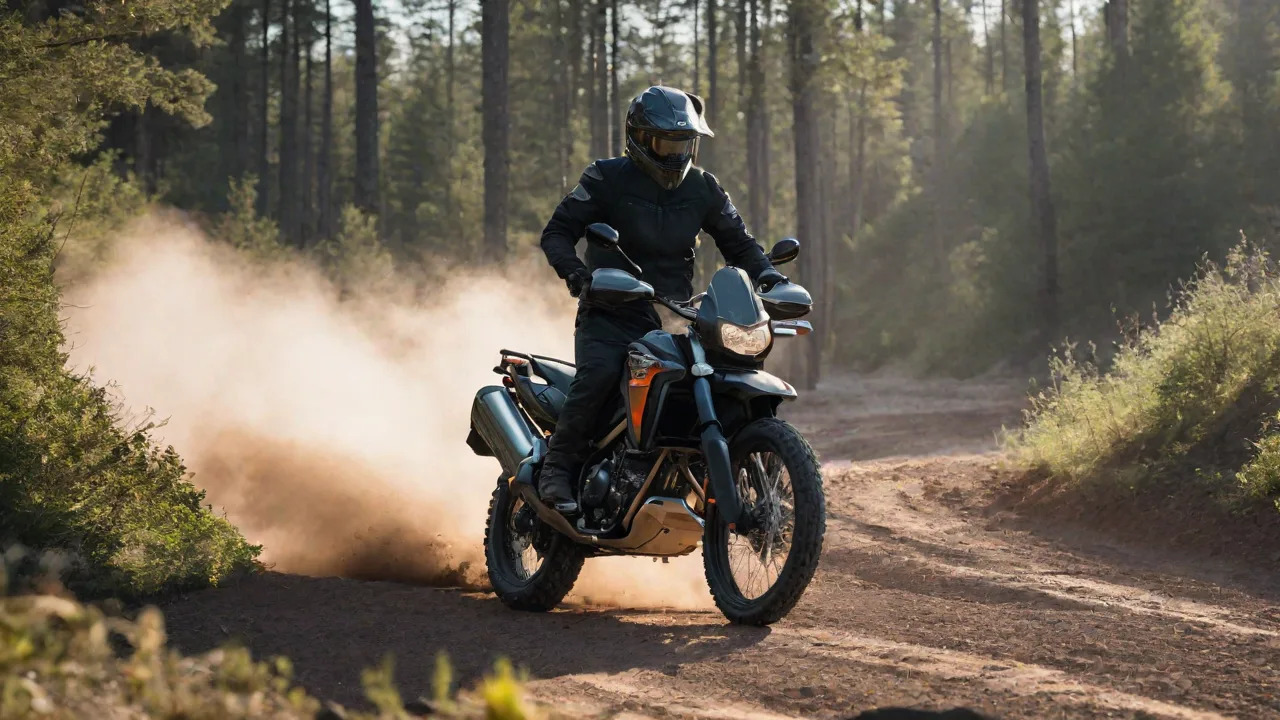
The TrailBlazer 500 is a versatile and robust motorcycle designed to handle both urban commuting and off-road adventures with ease. Its blend of power, durability, and user-friendly features makes it a favorite among riders seeking reliability and performance. However, like any machine, regular use and varying riding conditions can lead to common mechanical or electrical issues that may disrupt your journey. Understanding how to identify and troubleshoot these problems not only saves you time and money but also ensures your safety on the road or trail.
This comprehensive guide delves into the most frequent issues encountered by TrailBlazer 500 owners, offering detailed troubleshooting steps, maintenance tips, and when to seek professional assistance. Whether you’re a novice rider or an experienced motorcyclist, this resource will empower you to keep your TrailBlazer 500 running smoothly and confidently.
1. Engine Won't Start
One of the most common and frustrating problems is when your TrailBlazer 500’s engine refuses to start. This issue can stem from a variety of factors, ranging from simple operator errors to mechanical or electrical failures.
Basic Checks to Perform
- Kill Switch Position: The kill switch is a safety feature that immediately cuts off the engine. Make sure it is set to the “run” or “on” position before attempting to start the bike.
- Fuel Level: Confirm there is sufficient fuel in the tank. Sometimes the fuel gauge may malfunction or the reserve fuel may have been overlooked during longer rides.
- Battery Condition and Connections: The TrailBlazer 500 relies on a healthy battery to power the starter motor and ignition system. Check for any corrosion, loose terminals, or signs of a weak battery. Using a multimeter, you can measure the battery voltage, which should be around 12.6 volts when fully charged.
- Choke Adjustment: For cold starts, especially in cooler weather, ensure the choke is properly engaged. An improperly set choke can make starting difficult by affecting the air-fuel mixture.
Advanced Troubleshooting
If the engine still won’t start after these checks, inspect the following components:
- Spark Plug: Remove the spark plug and examine its condition. Look for signs of fouling, carbon deposits, or wear. A spark plug that is damaged or dirty can prevent ignition. Clean it with a wire brush or replace it if necessary. You can also test for spark by grounding the plug’s metal body against the engine and cranking the engine to see if a spark is present.
- Fuel Filter: A clogged fuel filter restricts fuel flow to the engine, impeding ignition. Replace the fuel filter regularly as part of routine maintenance or sooner if you suspect contamination in the fuel system.
- Starter Relay and Solenoid: These electrical components control the starter motor. A faulty relay or solenoid can prevent the engine from cranking. Listen for clicking sounds when pressing the start button to help diagnose relay issues.
- Fuses and Wiring: Inspect the fuse box for blown fuses and check wiring for any signs of damage or loose connections.
Preventative Maintenance Tips
- Regularly inspect and clean the spark plug every 3,000 to 5,000 miles.
- Keep the battery terminals clean and tighten connections as needed.
- Use fresh, high-quality fuel and replace the fuel filter every 10,000 miles or sooner if riding in dusty environments.
- Store the motorcycle in a dry, sheltered area to prevent battery drain and fuel degradation.
2. Poor Acceleration or Power Loss
Experiencing sluggish acceleration or a noticeable loss in power can diminish the riding experience and may indicate underlying mechanical or maintenance issues.
Common Causes and Solutions
- Clogged Air Filter: The TrailBlazer 500 requires a clean air filter to maintain optimal air intake and combustion. A dirty or clogged air filter restricts airflow, resulting in reduced engine performance. Check and clean the air filter regularly—typically every 6,000 miles—or replace it if heavily soiled.
- Dirty or Maladjusted Carburetor: Carburetors can accumulate varnish and debris over time, disrupting the fuel-air mixture. This leads to poor throttle response and power loss. Cleaning the carburetor jets and adjusting the idle mixture screws can restore performance. For those unfamiliar with carburetor servicing, professional help is advisable.
- Low Tire Pressure: Underinflated tires increase rolling resistance, making acceleration sluggish and affecting handling. Check the tire pressure regularly, ideally before every ride, using a reliable tire gauge. The recommended PSI for the TrailBlazer 500 is typically found in the owner's manual or on the tire sidewall.
- Clutch Slippage: If the clutch plates are worn or the cable tension is incorrect, power transfer to the rear wheel will be compromised. Symptoms include a revving engine without corresponding acceleration. Adjust the clutch cable tension as per the manual and replace clutch plates when necessary.
- Exhaust Blockages: A blocked or damaged exhaust system can cause backpressure, negatively impacting engine efficiency. Inspect the exhaust for obstructions, dents, or rust and repair or replace components as needed.
Additional Tips to Improve Performance
- Use quality engine oil and change it at recommended intervals to ensure smooth engine operation.
- Keep the chain clean, lubricated, and properly tensioned as a poorly maintained chain can affect power delivery.
- Check the ignition timing and spark plug gap to ensure efficient combustion.
3. Unusual Noises or Vibrations
Unusual noises or excessive vibrations are often early warning signs of mechanical problems. Addressing these promptly can prevent more serious damage and costly repairs.
Identifying the Source
- Loose or Worn Components: Vibrations can result from loose handlebars, footpegs, mirrors, or accessories. Regularly inspect and tighten bolts and screws on these parts to prevent rattling.
- Engine Mounts: Damaged or degraded engine mounts can cause the engine to vibrate excessively. If you notice more vibration than usual, inspect the mounts for wear or cracks.
- Wheel and Tire Issues: Unbalanced wheels or damaged tires can cause vibrations at certain speeds. Have your wheels balanced and tires inspected for uneven wear or deformities.
- Exhaust System: Loose exhaust parts, broken hangers, or internal baffles can generate rattling noises. Check the exhaust system for secure mounting and any damage.
- Chain and Sprockets: A loose, dry, or damaged chain can cause noise and vibration. Regular lubrication and tension adjustments are essential.
Addressing Unusual Noises
- Grinding or Clunking: May indicate worn bearings, such as in the wheels or steering head. These components require inspection and possible replacement.
- Knocking or Pinging: Often related to incorrect fuel octane, ignition timing, or carbon buildup in the combustion chamber. Using the correct fuel grade and maintaining the ignition system helps prevent this.
- Whining or Squealing: Could be caused by a slipping clutch or worn drive components.
When to Consult a Professional Mechanic
If you cannot isolate or resolve the source of noise or vibrations through basic adjustments and inspections, it is crucial to seek professional diagnostics. Persistent vibrations can lead to accelerated wear on critical components or compromise rider control.
4. Electrical System Troubleshooting
The TrailBlazer 500’s electrical system powers essential functions including lighting, ignition, and instrumentation. Electrical issues can manifest as dim lights, intermittent starting problems, or malfunctioning gauges.
Common Electrical Problems and Solutions
- Battery Drain: If your battery frequently loses charge, check for parasitic electrical draws from accessories or faulty wiring. Ensure the battery is healthy and holds a charge.
- Blown Fuses: The TrailBlazer 500 uses fuses to protect circuits. Identify and replace blown fuses with the correct amperage rating. Frequent fuse blowouts indicate underlying wiring problems.
- Corroded Connectors: Moisture and dirt can corrode connectors, causing poor electrical contact. Clean connectors with electrical contact cleaner and apply dielectric grease to prevent future corrosion.
- Faulty Switches: Handlebar switches for lights, indicators, and the kill switch can wear out. Test switches for continuity and replace if necessary.
- Charging System Issues: A malfunctioning stator or regulator/rectifier can prevent proper battery charging. Symptoms include dimming lights and battery failure. Testing with a multimeter and professional repair may be required.
5. Brake System Concerns
Effective braking is critical for rider safety. The TrailBlazer 500 employs disc brakes that require regular inspection and maintenance.
Common Brake Problems
- Spongy Brake Lever or Pedal: This is often due to air trapped in the brake lines. Bleed the brakes to remove air and restore proper hydraulic pressure.
- Brake Fade or Reduced Stopping Power: Worn brake pads or contaminated brake fluid can cause fade. Replace pads when they reach minimum thickness and change brake fluid every 1-2 years.
- Brake Dragging: If the brakes feel like they are partially engaged without input, check for seized caliper pistons or sticky brake cables.
- Noises When Braking: Squealing or grinding noises indicate worn pads or glazed rotors that may require replacement or resurfacing.
Maintenance Tips for Brakes
- Inspect brake pads and rotors monthly, especially after off-road use.
- Flush brake fluid according to manufacturer recommendations to maintain braking efficiency.
- Keep brake components clean and free of oil or grease contamination.
6. Suspension Issues
The TrailBlazer 500 features front telescopic forks and a rear mono-shock suspension, designed to absorb shocks and provide stability on diverse terrains. Suspension problems can negatively affect handling and rider comfort.
Signs of Suspension Problems
- Excessive bouncing or harshness over bumps.
- Leaking fork seals causing oil drips near the front suspension.
- Uneven tire wear or instability during cornering.
- Difficulty in controlling the motorcycle at higher speeds.
Routine Suspension Maintenance
- Check fork seals for leaks and replace them promptly to avoid damage to internal components.
- Inspect shock absorbers for leaks or loss of damping and replace if performance declines.
- Adjust suspension settings, such as preload and rebound damping, according to rider weight and riding conditions for optimal performance.
- Clean suspension components regularly to prevent dirt ingress.
7. Chain and Sprocket Care
The drive chain and sprockets are vital for power transmission from the engine to the rear wheel. Proper maintenance extends their lifespan and ensures smooth riding.
Common Issues
- Chain Slack or Tightness: An improperly tensioned chain can cause premature wear or even derailment. Follow the manufacturer’s guidelines for correct slack measurement.
- Chain Wear and Stretch: Over time, chains elongate and wear sprocket teeth. Replace both the chain and sprockets as a set to prevent accelerated wear.
- Lack of Lubrication: A dry chain increases friction and wear. Lubricate the chain every 300-600 miles or after riding in wet conditions.
Maintenance Recommendations
- Clean the chain with a suitable chain cleaner and soft brush before lubrication.
- Use a high-quality motorcycle chain lubricant designed to resist fling-off.
- Check sprockets for hooked or broken teeth and replace if damaged.
8. Fuel System Considerations
The TrailBlazer 500’s fuel system is critical for delivering the right air-fuel mixture to the engine. Issues here can affect starting, acceleration, and overall performance.
Fuel-Related Problems
- Fuel Contamination: Dirt, water, or old fuel in the tank can cause clogging or engine hesitation. Drain and clean the fuel tank if contamination is suspected.
- Fuel Line Damage: Cracks or leaks in fuel lines reduce fuel delivery. Inspect lines regularly and replace any damaged sections.
- Carburetor Sync and Tuning: For TrailBlazer models with carburetors, proper synchronization and tuning are essential for smooth running.
General Preventative Maintenance Tips for the TrailBlazer 500
- Follow the manufacturer’s recommended service intervals for oil changes, valve adjustments, and inspections.
- Keep the motorcycle clean to prevent corrosion and wear, especially after riding in muddy or wet conditions.
- Store the bike properly during long periods of inactivity, using fuel stabilizers and battery maintainers.
- Regularly inspect and replace consumables such as brake pads, tires, and filters.
- Use OEM or high-quality aftermarket parts to ensure compatibility and performance.
When to Seek Professional Help
While many common issues can be addressed by riders with basic mechanical knowledge and tools, some problems require specialized diagnostics and repair. If you encounter any of the following, consult a qualified motorcycle mechanic:
- Persistent starting problems after basic troubleshooting.
- Complex electrical faults or charging system failures.
- Major engine noises such as knocking or excessive smoke.
- Suspension repairs involving internal components.
- Brake system overhauls or hydraulic repairs.
Maintaining a good relationship with a trusted motorcycle mechanic can help keep your TrailBlazer 500 in top condition and provide peace of mind on every ride.
Conclusion
The Everyday Motorcycles TrailBlazer 500 is engineered to perform reliably across a range of environments, but like any mechanical device, it requires attentive care and troubleshooting to maintain peak performance. By familiarizing yourself with common issues such as starting difficulties, power loss, unusual noises, and routine maintenance tasks, you can address problems early and avoid costly breakdowns.
Regular inspections, preventive maintenance, and timely repairs are key to prolonging the life of your TrailBlazer 500 and ensuring a safe, enjoyable riding experience. With the right knowledge and tools, you’ll be ready to tackle any challenge the road or trail presents.